
The Evolution of Modern Sculpture Designs
From the raw, primal forms of ancient times to the sleek, abstract marvels of today, sculpture has always been a powerful medium of expression. As I trace the journey of modern sculpture designs, I find myself captivated by the relentless spirit of innovation and transformation that defines this art form. It is a story of breaking boundaries, embracing new materials, and reimagining space and form in ways that challenge our perceptions and stir our souls.
The evolution of sculpture is not just a timeline of styles and techniques; it is a vibrant narrative of human creativity, cultural shifts, and technological advances. Each era breathes new life into the medium, pushing it beyond traditional limits and inviting us to see the world through fresh, dynamic lenses. Today, as I explore the realm of modern art sculpture, I am inspired by the fusion of sustainability and abstraction, where reclaimed materials become vessels of beauty and meaning.
The Rise of Modern Sculpture Designs: Breaking the Mold
Modern sculpture designs emerged as a bold rebellion against classical conventions. Gone were the days when sculptures were confined to marble busts or bronze statues that merely replicated reality. The early 20th century witnessed artists like Constantin Brâncuși and Henry Moore shattering these norms with their abstract, organic forms that celebrated simplicity and essence over detail.
Brâncuși’s Bird in Space soared beyond literal representation, capturing the spirit of flight with sleek, elongated shapes that seemed to defy gravity. Meanwhile, Moore’s monumental figures, often carved from stone or cast in bronze, evoked a primal connection to nature and the human body, blending smooth curves with rugged textures.
This era marked a pivotal shift: sculpture was no longer just about form but about concept, emotion, and interaction. Artists began experimenting with scale, materials, and space, inviting viewers to engage with their works from multiple perspectives. The introduction of industrial materials like steel and welded metal opened new horizons, allowing for dynamic, large-scale installations that transformed public spaces.
Key characteristics of early modern sculpture designs:
- Emphasis on abstraction and simplification
- Use of new materials such as steel, iron, and concrete
- Exploration of negative space and form interplay
- Integration with environment and architecture

What is a Modern Sculpture?
When I speak of modern sculpture, I refer to a form of artistic expression that transcends traditional figurative representation to embrace abstraction, innovation, and conceptual depth. Unlike classical sculptures that often aimed to immortalize historical figures or mythological scenes, modern sculptures seek to evoke ideas, emotions, and sensory experiences through form, texture, and materiality.
Modern sculptures can be crafted from a diverse palette of materials—metal, glass, wood, plastic, and increasingly, reclaimed or eco-conscious elements. This diversity reflects the artists’ desire to challenge norms and explore the relationship between art and the environment.
A modern sculpture is not confined to a single viewpoint; it invites movement and interaction, encouraging viewers to walk around, peer through, and even touch the work. It often blurs the boundaries between sculpture, architecture, and installation art, creating immersive experiences that resonate on multiple levels.
Examples of modern sculpture types:
1. Abstract sculptures - Emphasize shapes, lines, and forms without direct representation.
2. Kinetic sculptures - Incorporate movement, powered by wind, motors, or human interaction.
3. Environmental sculptures - Integrate natural elements or are designed to interact with their surroundings.
4. Reclaimed material sculptures - Use recycled or found objects to create new narratives.
This fluidity and openness make modern sculpture a living, breathing art form that continuously evolves with cultural and technological shifts.
Materials and Techniques: The Heartbeat of Transformation
One of the most thrilling aspects of modern sculpture designs is the fearless experimentation with materials and techniques. As I delve deeper, I see how artists have embraced industrial processes, digital fabrication, and eco-conscious practices to redefine what sculpture can be.
The mid-20th century introduced welded steel and aluminum as favored materials, enabling artists like David Smith to create bold, geometric forms that seemed to float and dance in space. Later, the advent of plastics and synthetic resins expanded the textural and color possibilities, while 3D printing and CNC milling have opened doors to precision and complexity unimaginable before.
Yet, perhaps the most poetic evolution is the rise of eco-conscious sculpture. Artists like Vincent Salvo champion the use of reclaimed wood, metal, and other discarded materials, transforming what was once considered waste into stunning abstract forms. This approach not only breathes new life into forgotten objects but also carries a powerful message about sustainability and transformation.
Techniques shaping modern sculpture designs:
- Welding and metal fabrication
- Carving and assembling reclaimed materials
- Digital modeling and 3D printing
- Mixed media and installation art
The tactile quality of these materials, combined with innovative techniques, invites viewers to experience sculpture as a dialogue between nature, industry, and imagination.
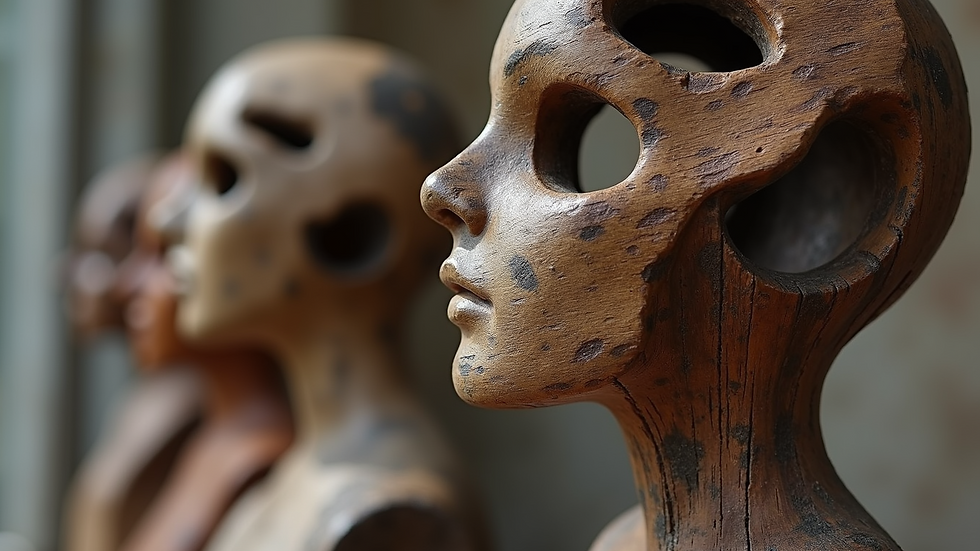
The Role of Space and Environment in Modern Sculpture
Modern sculpture designs are inseparable from the spaces they inhabit. Unlike traditional sculptures that often stood as isolated objects, modern works engage actively with their environment, transforming spaces into immersive experiences.
Whether placed in bustling urban plazas, serene gardens, or gallery interiors, sculptures interact with light, shadow, and the surrounding architecture. This relationship enhances the narrative and emotional impact of the work, inviting viewers to explore new perspectives and meanings.
Artists have also embraced site-specific installations, creating sculptures that respond to the history, culture, or natural features of their locations. This approach deepens the connection between art and place, making each piece a unique dialogue with its surroundings.
For collectors and interior designers, understanding this interplay is crucial. Selecting a sculpture that complements or contrasts with a space can elevate the ambiance, creating focal points that inspire and provoke thought.
Tips for integrating modern sculptures into spaces:
1. Consider scale and proportion relative to the environment.
2. Explore lighting options to highlight textures and forms.
3. Use sculptures to create flow and guide movement within a space.
4. Choose site-specific works for outdoor or public installations.
This dynamic relationship between sculpture and space is a testament to the evolving nature of modern art, where boundaries blur and creativity knows no limits.
Embracing the Future: Trends and Inspirations in Modern Sculpture Designs
As I look ahead, the future of modern sculpture designs gleams with promise and innovation. Emerging trends reflect a growing awareness of environmental issues, technological advancements, and a desire to connect more deeply with audiences.
Sustainability as a core principle: More artists are turning to recycled and biodegradable materials, crafting sculptures that tell stories of renewal and resilience.
Interactive and immersive experiences: Incorporating sensors, light, and sound, sculptures are becoming multisensory environments that engage viewers on multiple levels.
Cross-disciplinary collaborations: Sculptors are partnering with architects, engineers, and technologists to create hybrid works that challenge traditional categories.
Global influences: The blending of cultural motifs and techniques enriches the vocabulary of modern sculpture, making it a truly global conversation.
For those passionate about collecting or commissioning sculptures, these trends offer exciting opportunities to support art that is not only visually stunning but also meaningful and forward-thinking.
In this vibrant landscape, artists like Vincent Salvo stand out, crafting eco-conscious abstract sculptures that celebrate transformation and the beauty of reclaimed materials. Their work embodies the spirit of modern sculpture designs - bold, innovative, and deeply connected to the world around us.
The journey of modern sculpture designs is a celebration of creativity’s boundless potential. It invites us to see beyond the surface, to embrace change, and to find beauty in unexpected places. As I continue to explore and share this evolving art form, I am reminded that sculpture is not just an object but a living story - one that we are all invited to witness and cherish.


Comments